
Principle 7
The teacher plans instruction based upon knowledge of subject matter, students, the community, and curriculum goals.
 The social studies lessons and authentic assessments contained below show original instructional materials that demonstrate my knowledge of subject matter. I have included a power point presentation on ancient civilization that incorporates technology and art. I also have a sample rubric that goes along with a group project on ancient civilizations. The students then presented their project and recieved both an individual grade and a group.
ancient civilization project - social studies.pdf (116,6 kB)
social studies - ancient civilization - china and Rome pdf.pdf (192 kB)
ancient civilization power point pdf.pdf (879,5 kB)
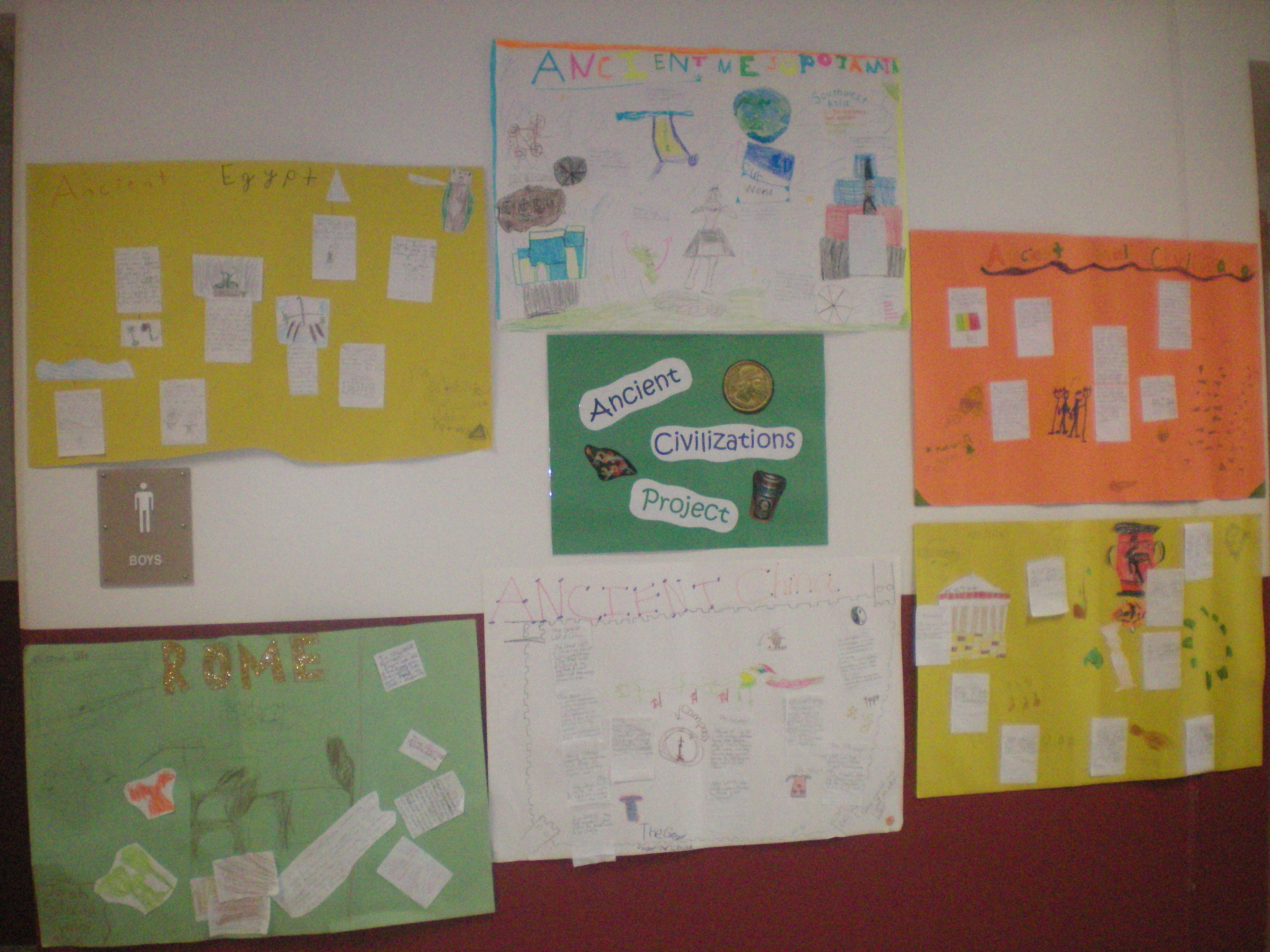
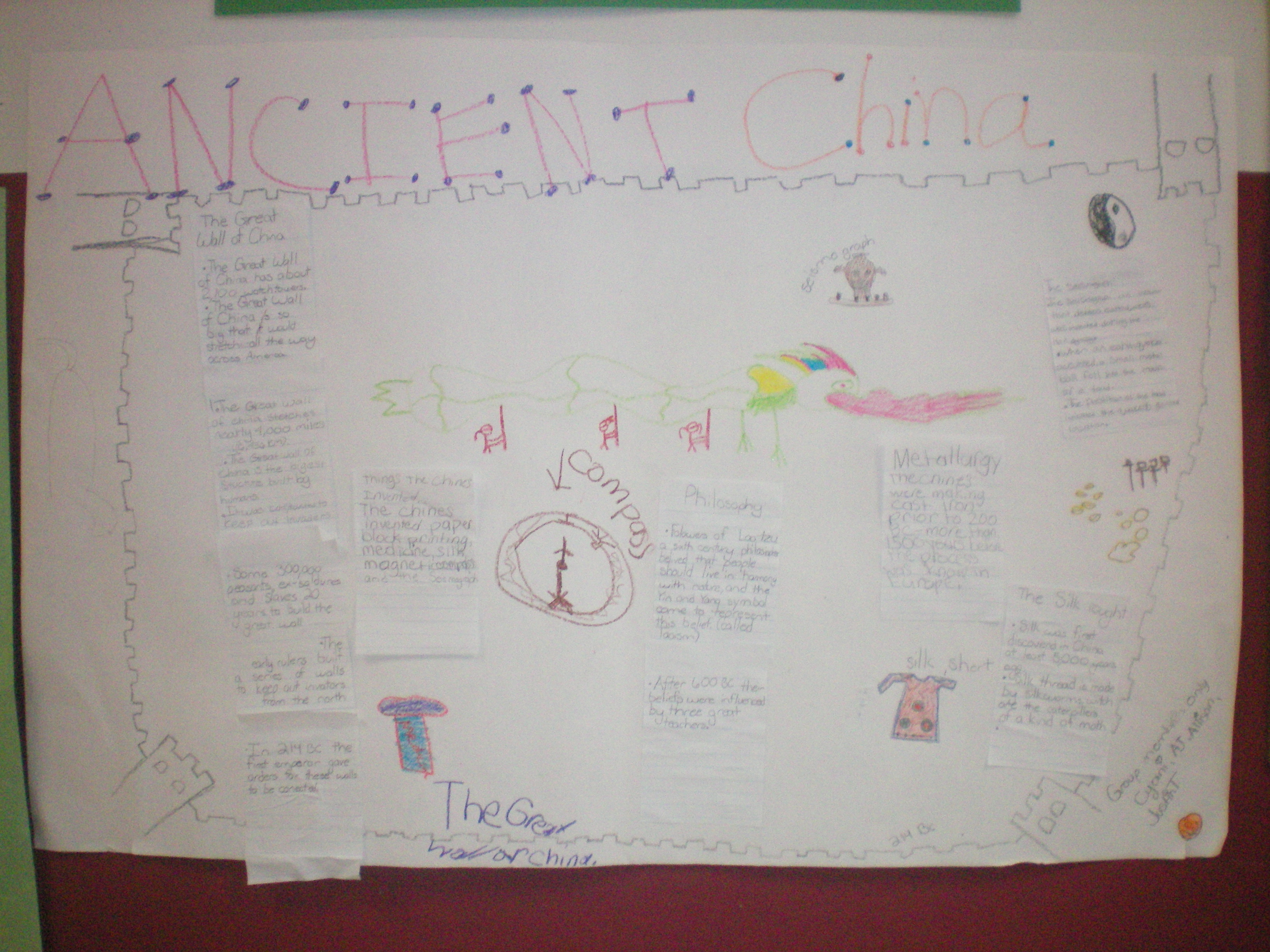
The two pictures above are examples of student work and their authentic assessment for the chapter and project on ancient civilizations.
The documents listed below fit into this standard because they clearly show my understanding of subject matter, students needs, and curriculum goals. The artifacts listed below show my understanding of developmentally appropriate word study and a lesson to match each level and the PA. Standards. I have included what is expected of students in each level as well as a lesson.
- Emergent Spellers - emergent spellers and example lesson.pdf (190,6 kB)
- Letter-Name Alphabetic Spellers - letter-name alphabetic spellers and lessons.pdf (126,7 kB)
- Syllable-Affix Spellers - syllable affix spellers and example lesson.pdf (189,6 kB)
- Within Word Pattern - within word pattern and example lesson.pdf (122,4 kB)
- Derivational Relations Spellers - derivational relation spellers and example lesson.pdf (129,9 kB)
The following documents show my understanding and importance of teaching story elements. I have attached copies of a smaller version of a poster with the information that is important for students to understand when they summarize, use story elements, and when they think about characters. Each poster also has an original example that is blank and then one filled in with the correct answers. Each lesson attached with the poster show how I will scaffold my instruction in different ways to meet the needs of each student. Items attached with each poster will be character webs, story frames, and story maps.
- Poster 1 - Story elements guide - story elements guide and example 2 and scaffolds.pdf (2 MB) story elements guide and examples.pdf (1 017,9 kB)
- Poster 2 - When I summarize - summarize and examples.pdf (1,3 MB)
- Poster 3 - When I think about characters... - character webs and examples.pdf (1,5 MB)
 The following show my understanding of Reading and Language Arts instruction and content knowledge. I have included several example lessons that I have created and taught that incorporate both the state standards and the common core standards.
- Listed below are two Reading lessons that strictly follow the common core standards for Kindergarten. The two lesson touch upon comprehension, phonemic awareness (initial sounds), high frequency words, and letter recognition.
reading lesson plan - kindergarten.pdf (260,2 kB)
reading day 5 - miss b take a field trip - letter recognition - phonemic pdf.pdf (255,1 kB)
reading day 5 - miss b take a field trip pdf.pdf (187,5 kB)
The following artifacts show my understanding of planning instruction and knowledge of subject matter. I have each lesson matched to fit into the PA Standards for 3rd grade. One lesson focuses on comprehension, main ideas, and details with an example graphic organizer. The other lesson focuses on a grammar lesson finding common and proper nouns. This lesson also includes a transparency that I created to go along with a worksheet for the students.
Detail Web - for the talking cloth pdf.pdf (159,2 kB)
language arts - the talking cloth day 2 pdff.pdf (169,1 kB)
noun lesson plan - common and proper on transparency pdf.pdf (262,6 kB)
The artifact listed below shows my understanding of including the PA Standards in Math and a detailed lesson plan that shows my knowledge of subject matter, tools of inquiry, and connections between the curriculum goals and standards. I also included a student example of a written assessment in Math.
math assessment example.pdf (49,2 kB)
math lesson - 3rd grade identifying place value pdf.pdf (203 kB)
The following two arifacts show original instructional materials that demonstrate my knowledge of subject matter related to guided reading groups.
- The first document relates to guided reading in my 2nd placement. I have included the following items: guided reading planning page, my notes taken during guided reading group, book talk, vocabulary skill, extension, and student examples.
examples of guided reading and notes.pdf (1,2 MB)
- The second document includes a very detailed guided reading lesson plan connected to the standards as well as an example of leveled text that would go along with this specific guided reading group in first grade.
detailed guided reading examples.pdf (303,2 kB)
The following artifacts show my understanding of how to effectivly implement literacy centers within the classroom. I have created literacy centers, the materials, and the pictures to show the students how to rotate as well as laminated signs that match the pictures for students in kindergarten who cannot read.
- Literacy centers that I created and organized during my first placement at 13th and Union in Reading. in the listening centers, i video taped myself reading stories 5 times, as well as creating puppets and a stage for the students to use in a drama center.
literacy stations - kindergarten.pdf (139,2 kB)
- Two examples of detailed center activity planning and a detailed day literacy play center that meets the standards and the needs of student who are emergent spellers.
center activity planning - 2 examples.pdf (929,7 kB)
day literacy play center.pdf (115,9 kB)
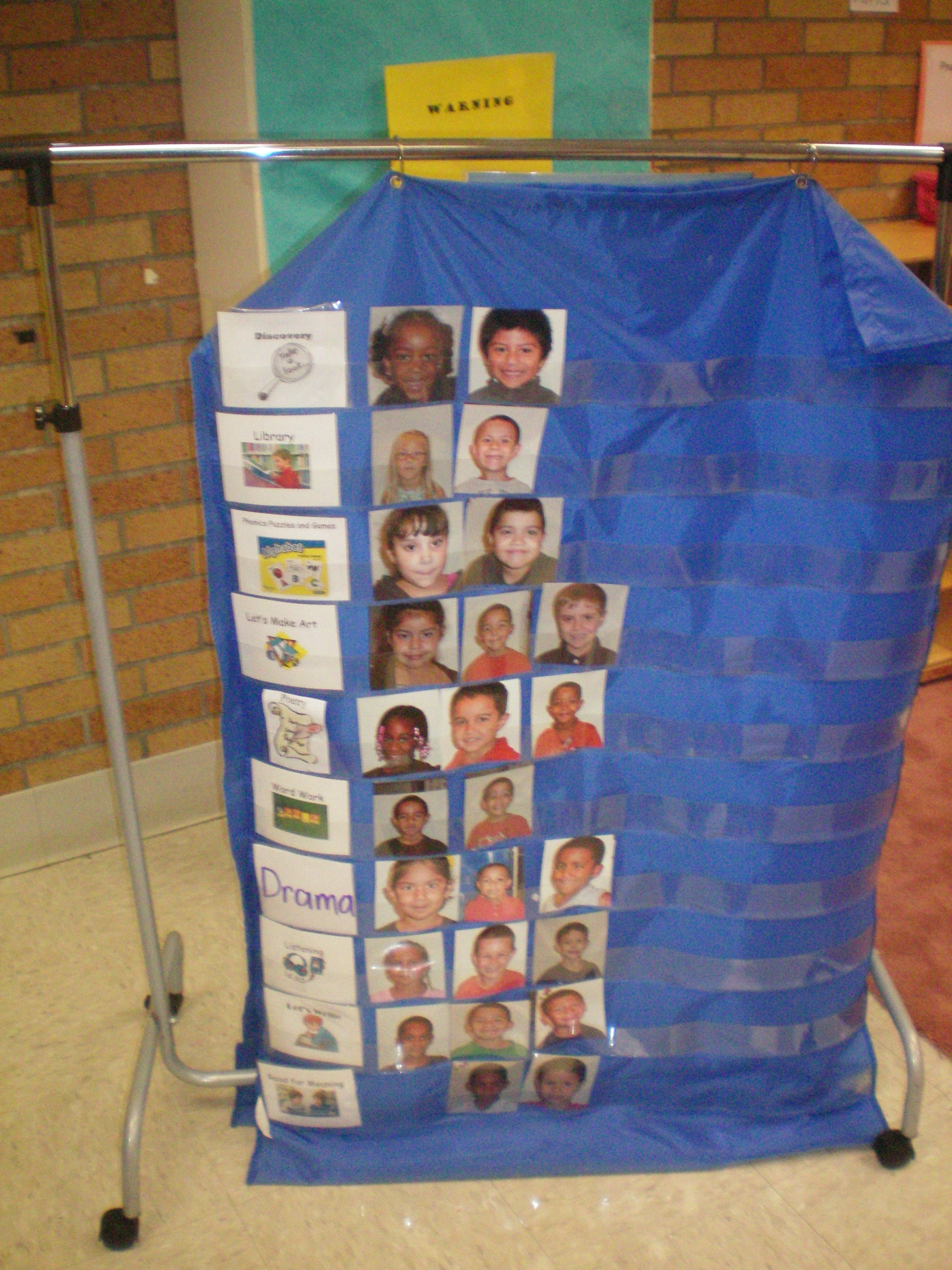
The picture located above shows an example of how I created centers and rotated my centers. Each picture on the left side matches a larger picture in the classroom so that the students understand which station they are supposed to be at.
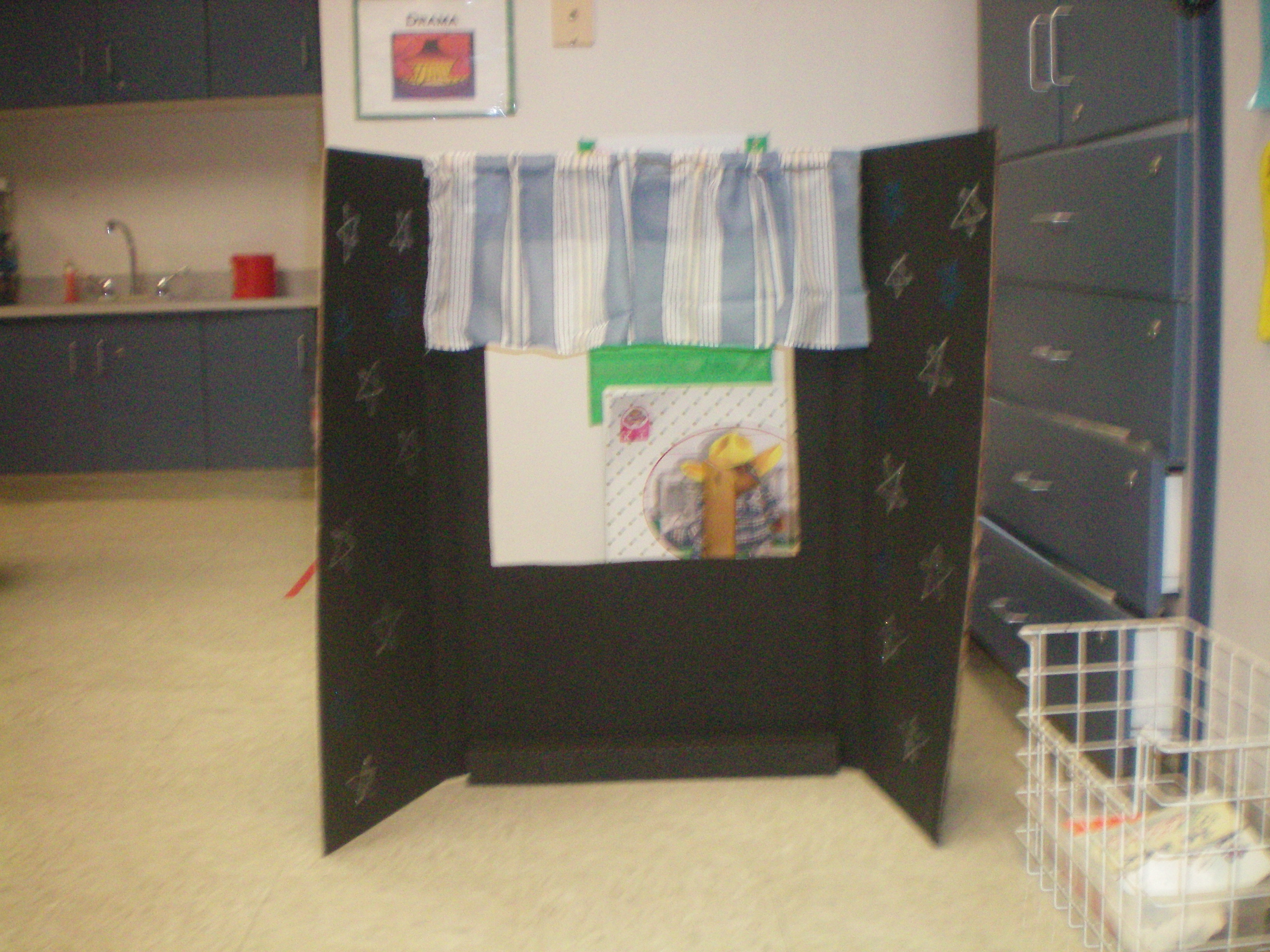
This is an example of a stage i created for the drama center. In this center the students work with puppets that i have created and read through the book putting on a show and acting out the book using the puppets. The other student sits on the opposite side of the stage and watches. Then the students switch.
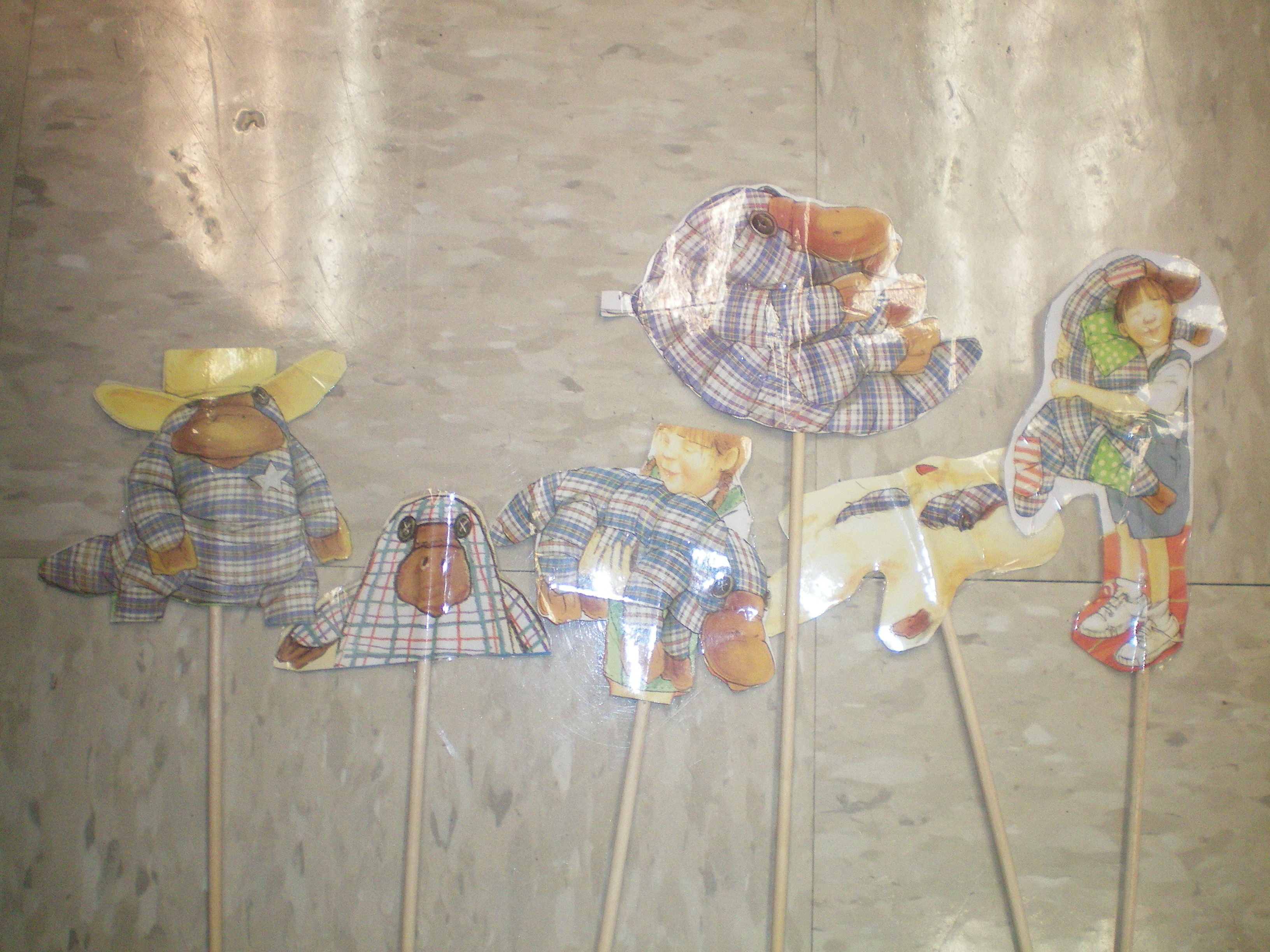
This is an example of the piture that I cut out and laminated onto sticks so that the students had puppets for the drama center.
 The next two artifacts show my understanding of knowledge in teaching science. I have included an overview of a long range unit of instruction that focuses on fall trees for Kindergarten. I also included the PA Standards, goalsand objectives, outline, performance tasks,rationale, sequence of daily lessons, and a lesson from my unit with an attached reflection. My unit also incorporated technology by the use of picture and video, as well as an interative bulletin board that was used as an assessment tool. I also created a science lesson on a smartboard that shows understanding of content knowledge as well as the use of modern day technology.
Science Unit by alicia nelson pdf.pdf (345,6 kB)
science lesson from unit with reflection.pdf (706,8 kB)
smart lesson exported - alicia nelson.pdf (677,2 kB)
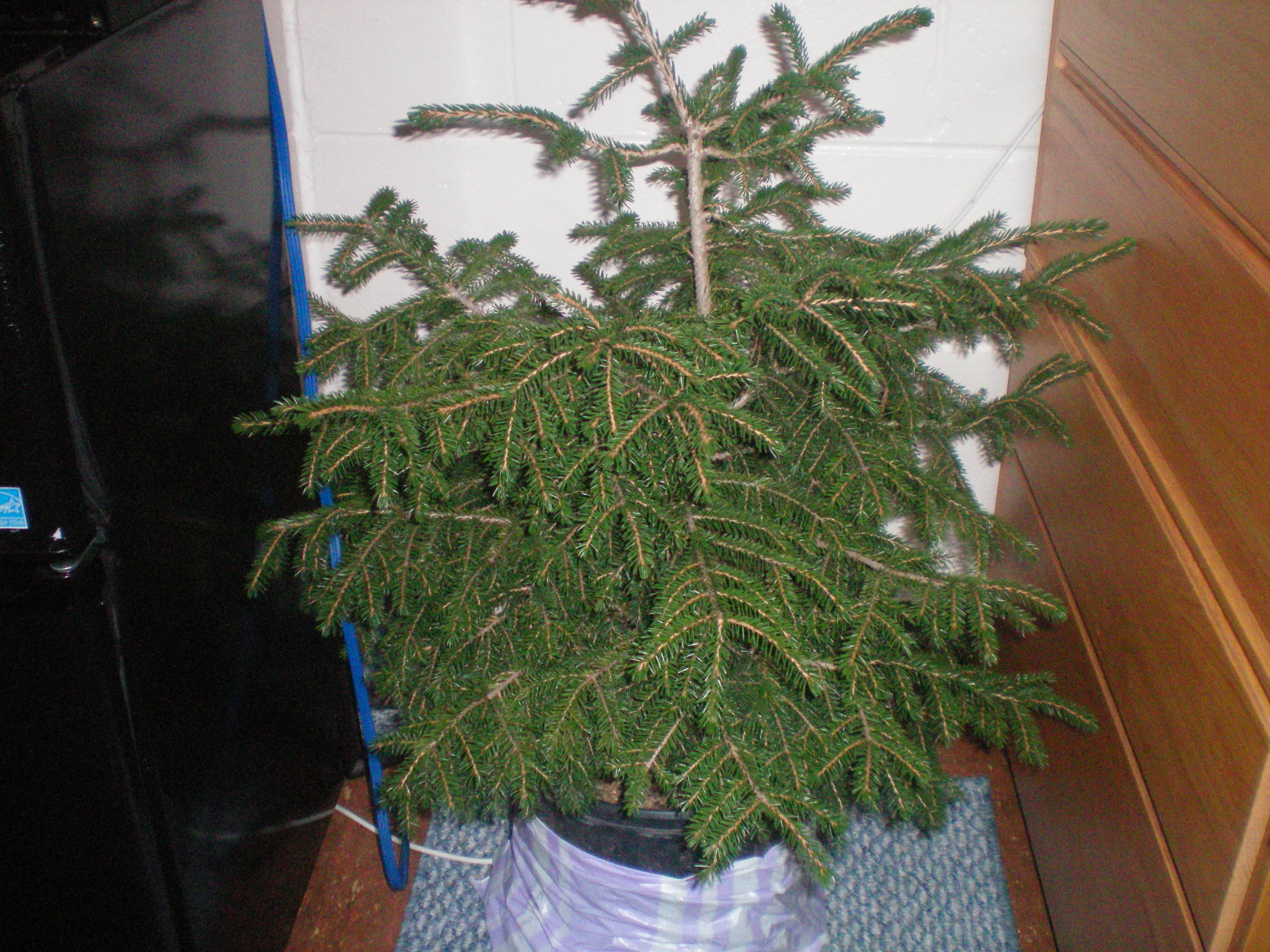
This is a picture of a pine tree that I bought for my unit on fall trees to show the students the process of how to take care of a living tree.
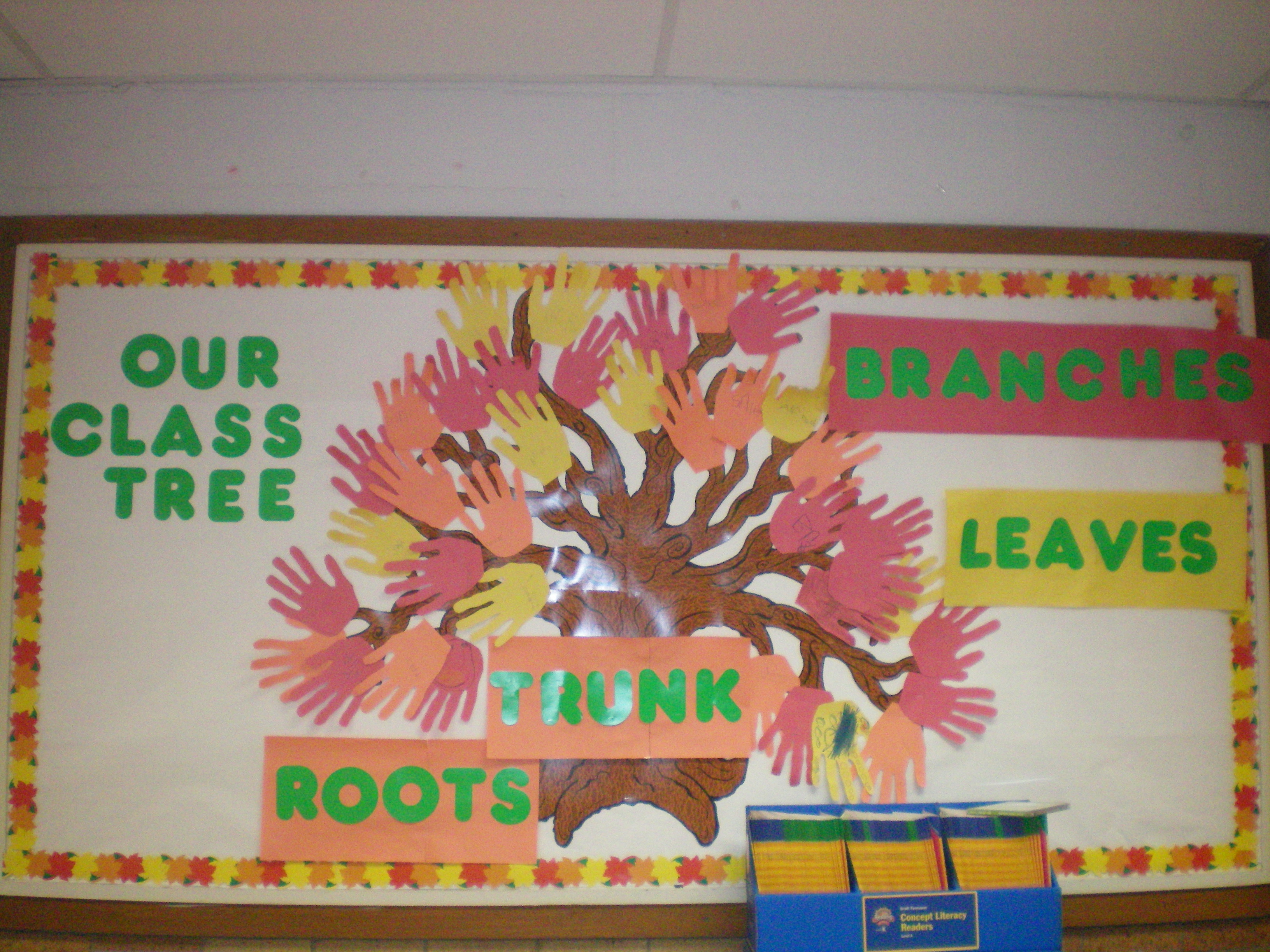
This is a picture of an interactive bulletin board I created for my science unit on fall trees.The hands on the tree are made with the students names and designs. The words branches, leaves, trunk, and roots are interactive and the students completed the bulletin board as an assessment with assistance.
The following two artifacts show original instructional materials that demonstrate my knowledge of subject matter in social studies. The artifacts include authentic assessment and written assessment to assess student performance. I have included a crossword puzzle that will act as a study guide for the students as well as timeline project the students completed on changes in Wahington D.C., changes in inventions, changes in trnasportaion, and working fofr equality. Each group recieved a timeline sheet to write down facts and rubric which we went over in detail so that each student new what was to be expected. The students then created a timeline on poster paper with details, dates, and illustrations.
building communities - social stuidies.pdf (657,2 kB)
timeline project for social studies.pdf (159,8 kB)
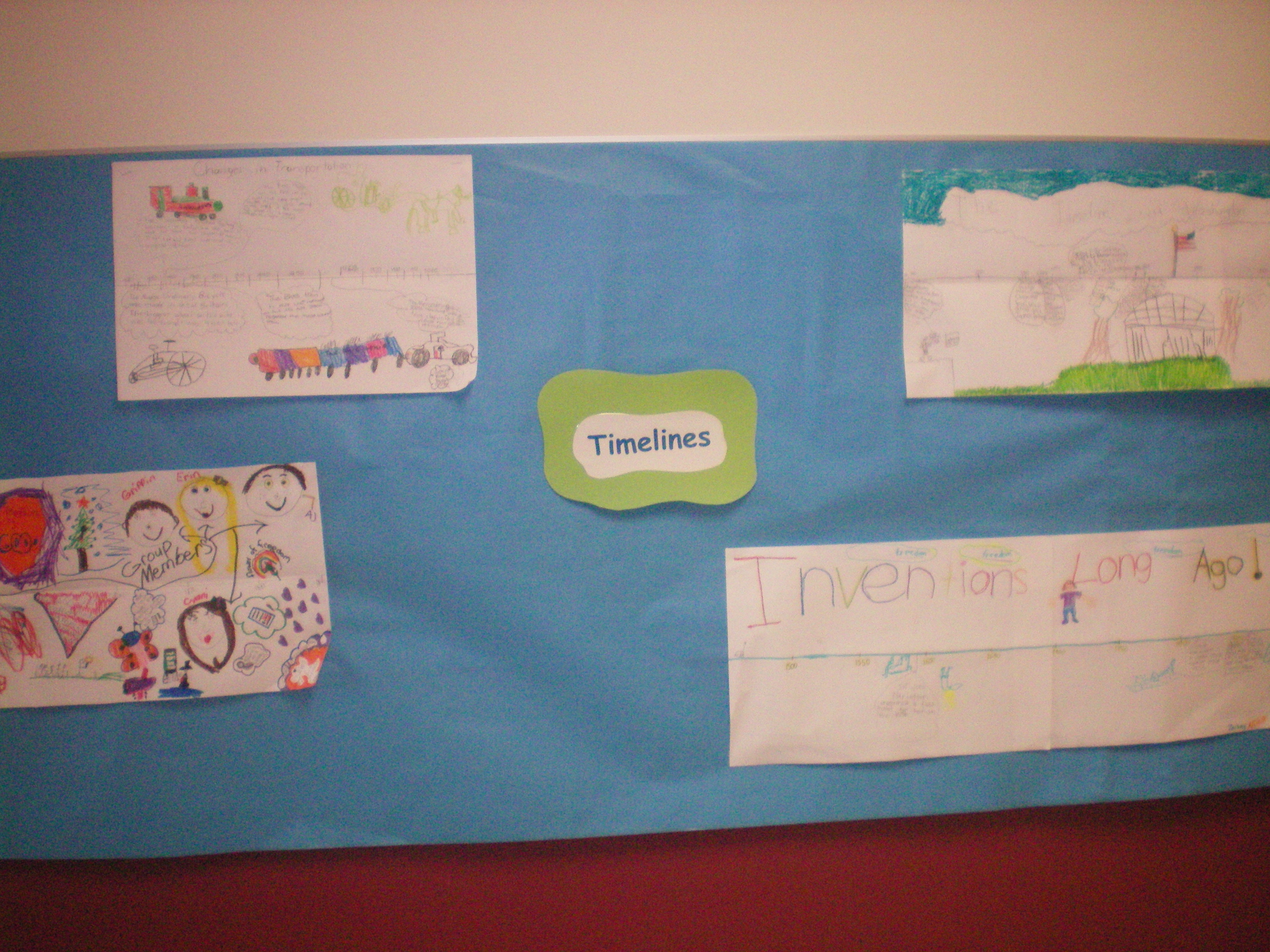
Examples of the authentic assessment on the third graders time line project.